
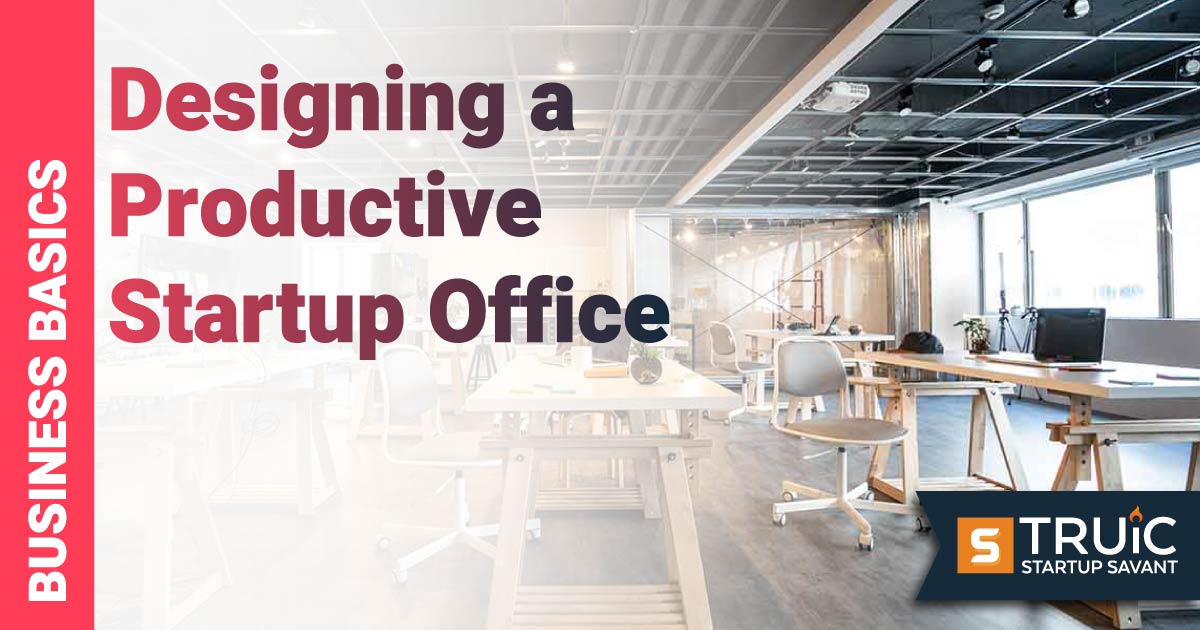
A productive office is more than a place to work. It sets the pace for how your team thinks, collaborates, and solves problems. For a startup, the right environment helps people focus and move faster while still feeling connected. You don’t need a big space or a big budget to make your office work better for your team. You just need the right strategy.
Why Your Startup Office Matters
Your environment influences how easily your team can focus and recover from interruptions. Research from the American Psychological Association on multitasking shows how even small distractions increase mental strain and reduce accuracy. A steady, intentional workspace helps protect attention so people can work with more clarity.
It Creates a Rhythm for the Workday
People work best when their environment supports different cognitive states. Deep work requires quiet and predictability. Creative conversations benefit from openness and movement. A balanced office space makes these transitions feel natural instead of disruptive.
It Helps People Think More Clearly
Research on cognitive load shows that clutter, noise, and unpredictable interruptions drain an individual’s mental resources. A clean, steady environment frees up attention for the work that actually matters — like problem-solving, strategy, and execution.
It Reinforces Team Culture
Space shapes behavior. Organizational psychologists often refer to this as “situational cues.” When your team walks into a space that’s organized, welcoming, and functional, it signals that the work they do is meaningful and supported.
How to Design a Workspace That Supports Your Team
The most effective offices reflect real behavior. A good starting point is simply watching how your team uses the space. Behavioral observation often reveals gaps you wouldn’t spot on a floor plan.
Start With Real Work Styles
Some people thrive in quiet, stable environments. Others think more clearly when there’s movement or light conversation around them. These differences often come down to attention style and sensory preferences.
Teams often self-organize around the environments that support their work. It’s common for product or engineering roles to gravitate toward quieter areas during focus-heavy periods while marketing or operations teams may prefer more open, collaborative spaces. Designing with these tendencies in mind will help each function work in the conditions where they perform best.
Create Practical Micro-Zones
Environmental psychology suggests that even small shifts in physical cues help the brain switch tasks more easily. A dedicated focus area signals “deep work.” A standing table signals “quick exchange.” A soft-seated corner signals “reset.” These cues reduce the mental friction that comes from working in one undifferentiated space.
Examples include:
- A quiet section for focused tasks
- A standing table for rapid collaboration
- A soft, call-friendly nook
- A simple lounge for mental breaks
These micro-zones give people choices without requiring more square footage.
Balance Openness With Focus
Open offices can increase spontaneous conversation, which is beneficial for brainstorming and problem-solving. They also increase noise and visual distraction. Attention research shows that interruptions — even small ones — can pull people out of deep thought. A balanced layout gives your team the benefits of openness without sacrificing concentration.
Design for Flexibility
Startups change quickly. A flexible office space helps reduce the “switching cost” that comes from reorganizing every time roles shift. Movable tables, modular shelves, and lightweight seating create a space that adapts to new projects, new hires, and new priorities.
Support Hybrid Work
Video meetings, client calls, and team check-ins all require consistent sound and lighting. A workspace designed with these needs in mind helps hybrid teams stay aligned and reduces communication fatigue.
Consider adding:
- a quiet corner where calls won’t interrupt others
- Soft lighting that reduces harsh shadows on camera
- Clean, uncluttered backgrounds
- Reliable Wi-Fi in every part of the office
These choices support smoother communication and reduce strain.
Office Design Essentials for Startups
Improving a few key design elements can significantly boost your employees’ comfort, clarity, and long-term energy.
Space Planning
Behavioral research shows that proximity influences communication. Placing collaborative areas where people naturally walk can help increase spontaneous idea-sharing. Similarly, placing focus areas further away will help protect deep work.
Lighting
Light plays a major role in alertness and mood. Natural light supports better focus and steadier energy levels. Where natural light is limited, an adjustable light-emitting diode (LED) desk lamp can help create a more stable visual environment.
Warm lighting can help relaxation areas feel restorative while brighter light helps support detail-oriented tasks.
Color
Color influences the human nervous system. Softer tones like greens and blues can lower stress while neutral colors reduce visual clutter. A few well-placed accent colors can spark creativity without overwhelming the space.
Ergonomics
Physical comfort supports mental clarity. Research on embodied cognition shows that discomfort pulls attention away from thinking. A few ergonomic adjustments can help a worker’s body stay in a productive posture for longer periods.
Useful upgrades include:
These small changes will help conserve employees’ energy over the course of the day.
Storage and Organization
Visual clutter competes for attention. Providing enough storage can help reduce employees’ cognitive load. For example, a desk organizer set keeps essential items within reach while rolling drawers or open shelving can help maintain order across shared areas.
Acoustics
Noise affects more than mood. It impacts our memory, attention, and processing speed. Soft surfaces like rugs, curtains, plants, and acoustic tiles can help buffer sound and create a calmer workspace.
Recommended Office Essentials
These additions complement the essentials noted above and support employees’ comfort, clarity, and mental ease.
- Cable management kit to reduce visual distractions and create a cleaner workspace
- Whiteboard or glass board for planning, brainstorming, and quick team huddles
- Desk privacy panels to create quiet micro-zones in open areas
- Portable air purifier to keep the space feeling fresh and enhance workers’ ability to focus
- Tabletop planters to improve air quality and create a calmer atmosphere
- Rolling utility cart for shared office supplies or mobile project stations
Each item supports a more organized, intentional workspace that can grow with your team.
Final Thoughts
A productive office doesn’t need to be perfect; iIt needs to be intentional. When your environment aligns with how your team thinks and collaborates, work feels easier and momentum builds naturally. Start with small improvements and let your office evolve with your startup. Over time, each thoughtful choice will create a space where your team can focus, communicate, and build with clarity.